
Embarking on your gardening journey can be both exciting and overwhelming. Whether you’re looking to grow your own vegetables, create a beautiful flower garden, or simply add some greenery to your living space, these 10 best gardening tips for beginners will help you start your garden right. From choosing the right tools to understanding watering practices, we’ve got you covered with essential advice to ensure your garden thrives.
How do I start a garden as a beginner gardener?
Starting a garden as a beginner gardener can be a rewarding experience. The key is to start small and gradually expand your garden as you gain confidence and knowledge. Begin by deciding what you want to grow and where you want to grow it. Consider factors such as available space, sunlight, and your local climate. Remember, plants need at least 6 hours of sunlight daily to grow well, so choose a sunny spot for your garden bed.
What are the essential gardening tools I need?
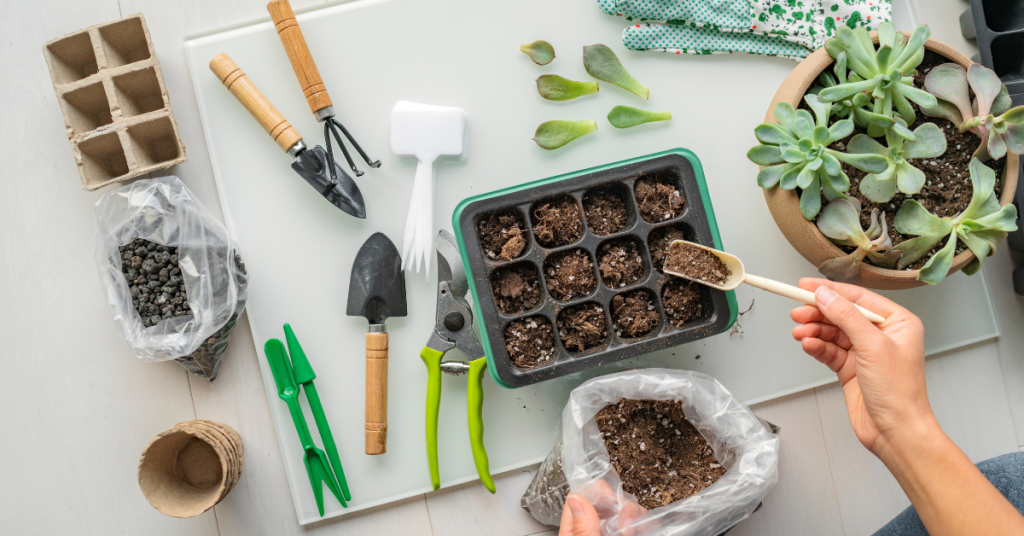
As a beginner gardener, you don’t need to invest in every gardening tool available. Start with the basics: a good pair of gardening gloves, a trowel for planting, a watering can or hose, pruning shears, and a sturdy spade. These tools will help you tackle most gardening tasks. As you become more experienced, you can gradually add to your collection. Don’t forget to visit your local garden center or garden centre for advice on specific tools that may be useful for your particular gardening needs.
Should I start with a small garden or go big?
When it comes to gardening for beginners, it’s best to start small. A small space garden allows you to learn and experiment without feeling overwhelmed. You can start with a few pots on a balcony, a raised bed in your backyard, or even a small plot in a community garden. As you gain experience and confidence, you can gradually expand your garden. Starting small also helps you manage your time and resources more effectively, ensuring that you can properly care for your plants and enjoy your garden without feeling overwhelmed.
Is it better to start with seeds or seedlings?
For beginner gardeners, starting with seedlings can be easier and more rewarding. Seedlings, also known as young plants, give you a head start in the growing season and often have a higher success rate than starting from seeds. However, growing from seeds can be more cost-effective and offers a wider variety of plant options. If you decide to start with seeds, follow the instructions on the seed packet carefully, paying attention to planting depth and spacing. Some easy-to-grow plants from seeds include lettuce, radishes, and cucumbers. Whichever method you choose, make sure to plant after the last frost date in your area to give your plants the best chance of survival.
What are the easiest vegetables to grow for beginners?
For beginner gardeners looking to start a vegetable garden, it’s best to choose plants that are relatively easy to grow and maintain. Some of the easiest vegetables to grow include tomatoes, lettuce, radishes, cucumbers, and zucchini. These plants are generally forgiving and can thrive in various conditions, making them perfect for those just starting their gardening journey. When selecting vegetables, consider your local climate and growing season to ensure you choose plants that will flourish in your area.
Which vegetables grow well in pots?
Container gardening is an excellent option for beginners with limited space or those who want to start small. Many vegetables grow well in pots, including cherry tomatoes, lettuce, herbs, peppers, and even compact varieties of cucumbers. When growing vegetables in pots, use a high-quality potting mix and ensure proper drainage. Container gardens often require more frequent watering than in-ground gardens, so be sure to check your plants daily. With the right care, you can enjoy a bountiful harvest from your potted vegetable garden.
What are the best vegetables for a raised bed garden?
Raised bed gardens offer numerous benefits for beginner gardeners, including better soil control, improved drainage, and easier access for planting and harvesting. Some of the best vegetables for raised bed gardens include tomatoes, peppers, carrots, lettuce, and beans. These plants thrive in the well-draining soil of raised beds and benefit from the warmer soil temperatures. When planning your raised bed garden, consider companion planting to maximize space and improve plant health. For example, planting basil near tomatoes can enhance their flavor and deter pests.
How do I grow vegetables indoors?
Growing vegetables indoors is a great way to enjoy fresh produce year-round, regardless of your outdoor space or climate. Start by choosing vegetables that are well-suited for indoor growing, such as herbs, lettuce, microgreens, and cherry tomatoes. Ensure your plants receive adequate light, either from a sunny window or by using grow lights. Use a well-draining potting mix and containers with drainage holes. Indoor vegetable gardens require regular care, including proper watering, fertilizing, and pest management. With attention and care, you can successfully grow a variety of vegetables indoors and enjoy fresh, homegrown produce throughout the year.
How do I plan and design my garden?
Planning and designing your garden is a crucial step in ensuring its success. A well-thought-out garden plan can help you maximize your space, choose the right plants for your climate, and create a visually appealing layout. Start by assessing your available space and sunlight conditions. Consider using a garden planner or the Old Farmer’s Almanac garden planner tool to help you visualize your garden layout and track planting dates.
What factors should I consider when creating a garden plan?
When creating your garden plan, consider factors such as sunlight exposure, soil type, water availability, and plant compatibility. Take into account the mature size of your plants to ensure proper spacing. Think about your garden’s purpose – whether it’s for vegetables, flowers, or a mix of both. Consider incorporating companion planting techniques to improve plant health and deter pests naturally. Don’t forget to plan for pathways and access points to make maintenance easier. By taking these factors into account, you’ll create a garden plan that sets you up for success.
How do I choose the best location for my garden?
Choosing the right location for your garden is crucial for its success. Most vegetables and flowers need at least 6 hours of direct sunlight daily, so look for a sunny spot in your yard. Consider the proximity to a water source to make watering easier. Avoid areas with poor drainage or where water tends to pool after rain. If you’re planting near your house, make sure the area gets enough airflow to prevent fungal diseases. For vegetable gardens, choose a location that’s easily accessible for daily care and harvesting. Remember, the best location for your garden may vary depending on your specific plants and local climate conditions.
What’s the ideal layout for a beginner’s vegetable garden?
For beginner gardeners, a simple and organized layout is key to a successful vegetable garden. Start with a rectangular or square plot, which is easier to plan and maintain. Place taller plants like tomatoes and pole beans at the north end of your garden to prevent them from shading shorter plants. Group plants with similar water and sunlight needs together. Leave enough space between rows for easy access and maintenance. Consider using raised beds or container gardens for better soil control and easier access. Don’t forget to include paths for easy navigation through your garden. As you gain experience, you can experiment with more complex layouts and companion planting techniques to maximize your garden’s potential.
What are the best watering practices for a new garden?
Proper watering is essential for the health and success of your garden. As a beginner gardener, it’s important to understand that different plants have varying water needs. Generally, most plants prefer deep, infrequent watering rather than frequent shallow watering. This encourages roots to grow deeper, making plants more resilient to drought conditions. Always check the soil moisture before watering to avoid overwatering, which can lead to root rot and other issues.
How often should I water my garden?
The frequency of watering depends on various factors, including your climate, soil type, plant types, and weather conditions. As a general rule, most gardens need about 1 inch of water per week, either from rainfall or irrigation. However, during hot, dry periods, you may need to water more frequently. New seedlings and young plants often require more frequent watering than established plants. Use your finger to check the soil moisture about 2-3 inches deep – if it feels dry, it’s time to water. Remember, it’s better to water deeply and less often than to provide frequent, shallow watering.
What’s the best time of day to water plants?
The best time to water your garden is early in the morning or late in the evening. Watering in the morning allows plants to absorb the moisture before the heat of the day sets in, reducing water loss through evaporation. It also gives leaves time to dry before nightfall, which can help prevent fungal diseases. If morning watering isn’t possible, late afternoon or evening is the next best option. Avoid watering during the hottest part of the day, as much of the water will evaporate before the plants can benefit from it. Additionally, watering in the heat of the day can potentially scald leaves, causing damage to your plants.
How can I conserve water in my garden?
Water conservation is an important aspect of sustainable gardening. There are several ways to reduce water usage in your garden while still keeping your plants healthy. Use mulch around your plants to retain soil moisture and reduce evaporation. Consider installing a drip irrigation system or soaker hoses, which deliver water directly to the plant roots, minimizing waste. Collect rainwater in barrels or tanks for use during dry periods. Choose native plants or those adapted to your local climate, as they often require less supplemental watering. Group plants with similar water needs together to avoid overwatering some while underwatering others. By implementing these water conservation techniques, you can maintain a thriving garden while being environmentally responsible.
How do I deal with pests and weeds in my garden?
Dealing with pests and weeds is an inevitable part of gardening, but there are many effective strategies to manage these issues without resorting to harmful chemicals. As a beginner gardener, it’s important to regularly inspect your plants for signs of pest damage or disease. Early detection can prevent small problems from becoming major infestations. For weed control, consider using mulch to suppress weed growth and make it easier to remove any weeds that do appear. Remember, a healthy garden is more resistant to pests and diseases, so focus on providing optimal growing conditions for your plants.
What are natural pest control methods for beginners?
Natural pest control methods are safe, effective ways to protect your garden without harming beneficial insects or the environment. Start by encouraging natural predators like ladybugs, praying mantises, and birds to your garden by providing habitat and food sources. Use companion planting techniques, such as planting marigolds near vegetables to repel pests. For specific pest issues, try homemade sprays using ingredients like neem oil, garlic, or soap. Hand-picking larger pests like caterpillars can be effective for small gardens. Remember, some level of pest presence is normal in a healthy garden ecosystem, so aim for balance rather than total eradication.
How can I prevent weeds from taking over my garden?
Preventing weeds from overtaking your garden starts with good planning and maintenance. Use mulch generously around your plants to suppress weed growth and retain soil moisture. Consider using landscape fabric in pathways or between rows to block weed growth. Regular cultivation of the soil surface can disrupt weed seedlings before they become established. When weeds do appear, remove them promptly, roots and all, to prevent them from spreading. Avoid letting weeds go to seed, as this can lead to future weed problems. Remember, a dense, healthy planting of desirable plants can naturally crowd out many weeds, so proper plant spacing is key.
When and how should I use mulch in my garden?
Mulch is a valuable tool for beginner gardeners, offering multiple benefits including weed suppression, moisture retention, and soil temperature regulation. Apply mulch after planting, once the soil has warmed up in spring. For most gardens, a layer of 2-3 inches of mulch is sufficient. Keep mulch a few inches away from plant stems to prevent rot. Organic mulches like straw, bark chips, or compost will break down over time, improving soil quality. Reapply mulch as needed, typically once or twice a year. In vegetable gardens, consider using newspaper or cardboard as a base layer under organic mulch for extra weed suppression. By using mulch effectively, you can reduce the time spent on watering and weeding, allowing you to enjoy your garden more.
What are the best soil preparation tips for a successful garden?
Proper soil preparation is the foundation of a successful garden. Good soil provides essential nutrients, retains moisture, and allows for proper root growth. As a beginner gardener, focus on improving your soil quality before planting. Start by removing any weeds or grass from your garden area. Loosen the soil to a depth of at least 8-12 inches using a garden fork or tiller. Add organic matter such as compost or well-rotted manure to improve soil structure and fertility. For clay soils, adding sand can improve drainage, while for sandy soils, adding organic matter helps with water retention. Remember, healthy soil leads to healthy plants, so don’t skimp on this crucial step in your gardening journey.
How do I test and improve my soil quality?
Testing your soil is an important step in understanding its composition and needs. You can purchase a basic soil testing kit from a garden center or send a sample to a local extension office for a more comprehensive analysis. These tests will provide information on your soil’s pH level and nutrient content. Based on the results, you can amend your soil accordingly. To improve soil quality, add organic matter such as compost, aged manure, or leaf mold. This helps improve soil structure, increases nutrient content, and enhances water retention. If your soil is too acidic or alkaline, you can adjust the pH using lime (to raise pH) or sulfur (to lower pH). Remember, soil improvement is an ongoing process, so continue to add organic matter each season to maintain soil health.
What’s the importance of compost in gardening?
Compost is often referred to as “black gold” in the gardening world, and for good reason. It’s a nutrient-rich organic matter that improves soil structure, enhances water retention, and provides a slow-release source of nutrients for plants. As a beginner gardener, incorporating compost into your soil is one of the best things you can do for your garden. Compost helps sandy soils retain moisture and nutrients, while it improves drainage in clay soils. It also introduces beneficial microorganisms that contribute to overall soil health. You can buy compost from garden centers or make your own using kitchen scraps and yard waste. Whether you’re growing vegetables, flowers, or a mix of both, adding compost to your garden will lead to healthier plants and better yields.
How do I prepare a raised bed for planting?
Preparing a raised bed for planting is an excellent project for beginner gardeners. Start by choosing a sunny location and determining the size of your bed. A width of 3-4 feet allows easy access from both sides without stepping into the bed. Fill your raised bed with a mix of high-quality topsoil, compost, and other organic matter. This creates a rich, well-draining growing medium for your plants. Consider adding a layer of hardware cloth at the bottom of the bed to deter burrowing pests. Once filled, lightly rake the surface to create a level planting area. Water the soil thoroughly and allow it to settle before planting. Raised beds warm up faster in spring, drain better, and are easier to maintain than in-ground gardens, making them an ideal choice for beginner gardeners.