
Starting your fitness journey can be both exciting and overwhelming. For beginners, navigating the world of exercise, workout routines, and gym equipment can pose significant challenges. With the right guidance and support, however, you can achieve your fitness goals efficiently. In this article, we will explore essential gym tips for beginners, offering expert advice on how to start exercising, stay motivated, and create an effective fitness program.
What Are the Best Gym Tips for Beginners?
Why Do Beginners Need Specific Tips?
Beginners often require specific tips because the initial phase of any fitness journey is crucial for building a strong foundation. Without proper guidance, beginners may risk injury, burnout, or lack of progress. Expert trainers emphasize the importance of understanding the basics of exercise, correct form, and the significance of a balanced workout program. These gym tips for beginners are designed to ensure that the new exercise routines are both safe and effective, setting you up for long-term success.
How to Start Exercising as a Beginner at the Gym?
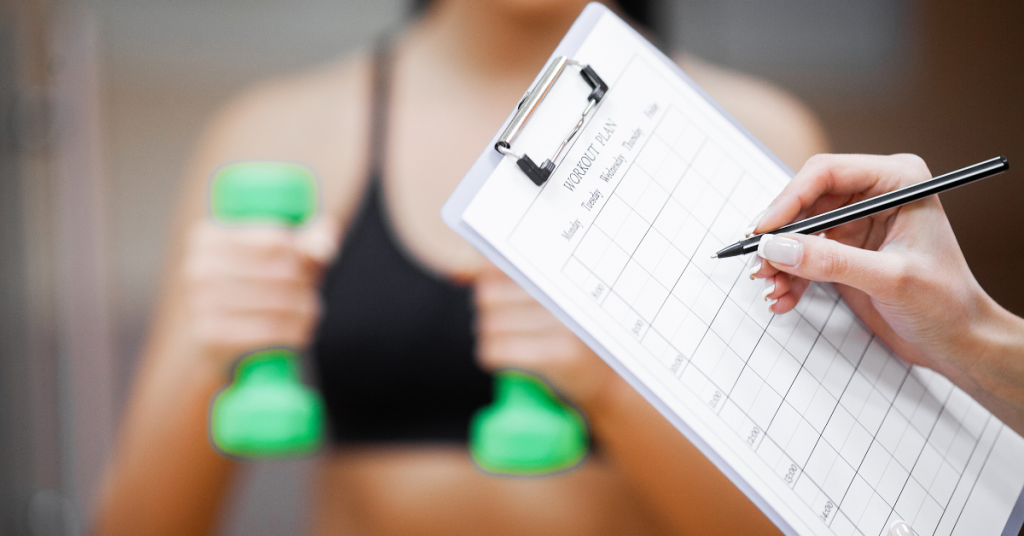
To start exercising as a beginner at the gym, it is essential to begin with a clear plan. This involves setting realistic fitness goals and choosing exercises that match your current fitness level. Start with low-intensity workouts and gradually increase the intensity as you build strength and endurance. It is also important to familiarize yourself with different muscle groups and understand how to target them through various exercises. Incorporating a mix of cardio, strength training, and flexibility exercises can help you achieve a well-rounded fitness routine.
What are the Most Effective Tips for Beginners?
Some of the most effective tips for beginners include starting slow, focusing on proper form, and being consistent. Begin with basic exercises like push-ups, squats, and lunges to build foundational strength. Listen to your body and avoid overtraining, giving yourself adequate rest between workouts. Incorporating variety into your exercise routine can prevent boredom and promote balanced muscle development. Additionally, seeking advice from experienced trainers or using fitness apps can provide valuable guidance and support.
How to Create a Fitness Program as a Beginner?
What Should Be Included in a Beginner’s Fitness Routine?
A beginner’s fitness routine should include a combination of cardiovascular exercises, strength training, and flexibility exercises. Cardio exercises like walking, jogging, or cycling help improve heart health and endurance. Strength training exercises like push-ups, weight lifting, and resistance band workouts focus on building muscle and increasing strength. Flexibility exercises, such as stretching or yoga, enhance mobility and prevent injury. A balanced fitness program ensures that all aspects of physical fitness are addressed, promoting overall health and well-being.
How to Set Realistic Goals for Your Fitness Program?
Setting realistic goals is crucial for maintaining motivation and tracking progress. Start by evaluating your current fitness level and identifying specific areas you want to improve. Break down your long-term fitness goals into smaller, achievable milestones. For example, aim to increase the number of push-ups you can do or gradually extend the duration of your cardio sessions. Keep your goals specific, measurable, and time-bound to ensure they are attainable. Regularly reassess and adjust your goals as you progress.
How Often Should Beginners Workout?
As a beginner, it is recommended to workout three to four times a week. This frequency allows your body to adapt to the new physical activity without causing excessive strain or injury. Incorporate rest days into your schedule to allow your muscles to recover and grow. Gradually increase the frequency and intensity of your workouts as your fitness level improves. Consistency is key, so aim to make exercise a regular part of your routine.
How to Stay Motivated as a Beginner at the Gym?
What are Some Tips to Stay Consistent?
Staying consistent can be challenging, especially when you are just getting started. One effective tip is to create a workout schedule and stick to it. Treat your training sessions as non-negotiable appointments. Find a workout buddy or join a fitness class to make exercise more enjoyable and hold yourself accountable. Celebrate small victories and milestones to stay motivated. Remember, consistency is more important than intensity, so focus on making exercise a regular habit.
How to Track Your Progress Effectively?
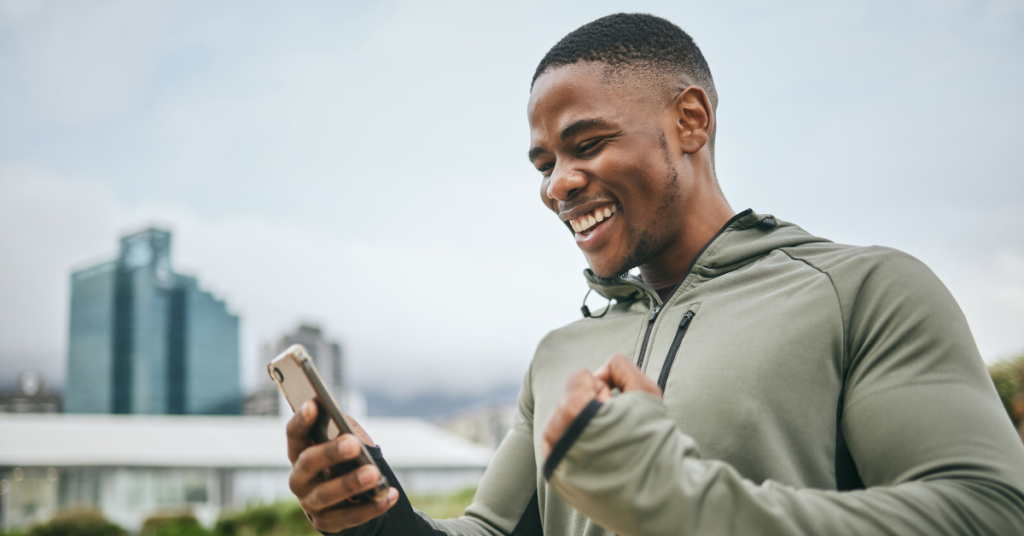
Tracking your progress is essential for staying motivated and assessing your achievements. Keep a workout journal to record your exercises, sets, and repetitions. Use fitness apps to monitor your performance and set new goals. Take regular measurements of your body, such as weight, body fat percentage, and muscle circumference, to track physical changes. Additionally, pay attention to non-scale victories, such as improved energy levels, better sleep, and increased strength.
What to Do When You Feel Like Giving Up?
It is natural to encounter moments of doubt or frustration during your fitness journey. When you feel like giving up, remind yourself of the reasons why you started. Revisit your fitness goals and visualize the benefits of staying committed. Seek support from friends, family, or a personal trainer to stay motivated. Sometimes, taking a short break or trying a new exercise can reignite your enthusiasm. Remember, setbacks are a part of the process, and perseverance is key to success.
What Gym Equipment is Best for Beginners?
Which Equipment Should Beginners Use?
Beginners should start with basic gym equipment that is easy to use and versatile. Free weights like dumbbells and kettlebells are great for strength training and can be used for a variety of exercises. Resistance bands are another excellent option, as they are portable and effective for building muscle. Cardio machines like treadmills, stationary bikes, and elliptical trainers are ideal for improving cardiovascular fitness. Begin with lighter weights and simpler equipment before progressing to more advanced machines.
How to Use Gym Equipment Safely?
Safety is paramount when using gym equipment. Always start with a proper warm-up to prepare your muscles and joints for exercise. Follow the instructions and guidelines provided for each piece of equipment. Use proper form to avoid injury and maximize the effectiveness of your workout. If you are unsure how to use a particular machine, ask a trainer for assistance. Gradually increase the weight or intensity to prevent overexertion. Listening to your body and avoiding excessive strain are key to staying injury-free.
Should Beginners Invest in Personal Equipment?
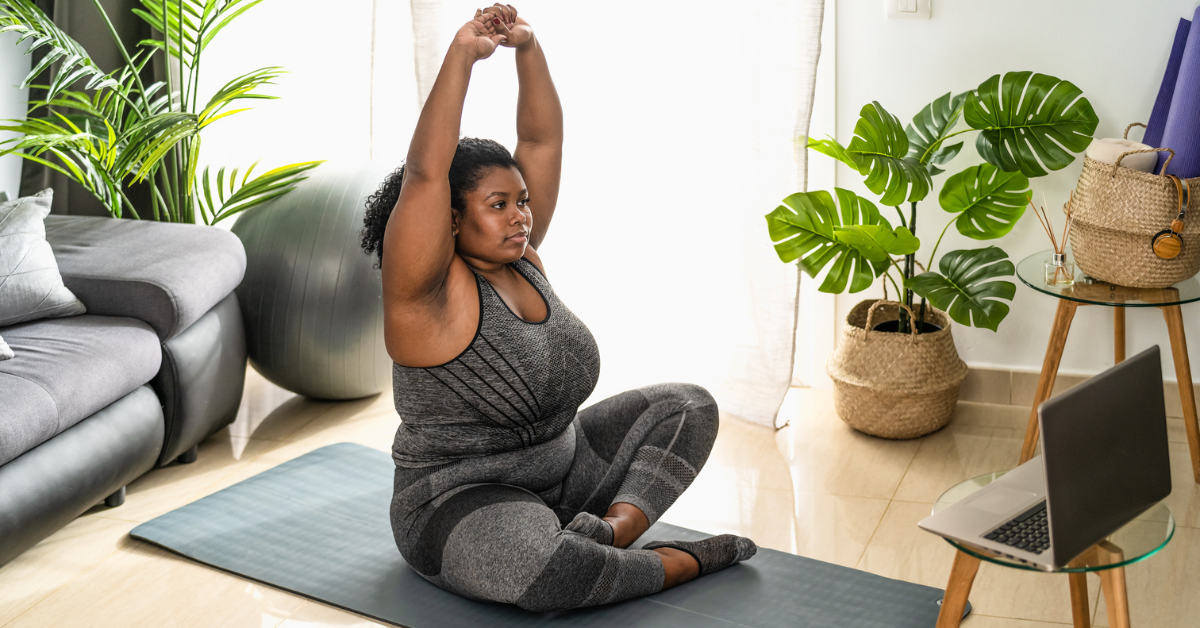
While gym memberships provide access to a wide range of equipment, some beginners may benefit from investing in personal equipment. Basic items like resistance bands, dumbbells, and a yoga mat can be used for home workouts and offer convenience. Fitness apps and online workout programs can complement your gym sessions and provide additional guidance. However, it is not necessary to invest heavily in personal equipment initially. Focus on building a solid foundation with the resources available at your gym.
How Important is a Personal Trainer for Beginners?
What are the Benefits of Hiring a Personal Trainer?
Hiring a personal trainer can provide numerous benefits for beginners. A trainer offers personalized guidance, helping you create a tailored fitness program that aligns with your goals and fitness level. They ensure you perform exercises with proper form, reducing the risk of injury. Trainers also provide motivation, support, and accountability, making it easier to stay consistent. Their expertise can help you navigate challenges and make the most of every workout.
How to Choose the Right Trainer?
Choosing the right trainer involves considering several factors. Look for a certified trainer with experience working with beginners. Check their credentials and ask for client testimonials or success stories. A good trainer should be approachable, communicative, and willing to listen to your needs and preferences. Schedule an initial consultation to discuss your fitness goals and assess their compatibility. Trust your instincts and choose someone who makes you feel comfortable and motivated.
Can Beginners Succeed Without a Trainer?
While a personal trainer can be highly beneficial, beginners can also succeed without one. Many beginners achieve their fitness goals through self-guided programs, fitness apps, and online resources. The key is to stay informed, motivated, and consistent. Seek out reliable sources of information and gradually build your knowledge and skills. Joining a gym with supportive staff and a positive community can also provide valuable guidance and encouragement. Ultimately, success depends on your commitment and dedication to your fitness journey.