
In today’s fast-paced world, stress has become an inevitable part of our lives. However, learning and implementing effective relaxation techniques can significantly improve our overall well-being and help us manage stress more efficiently. This article explores various relaxation techniques, their benefits, and how they can be incorporated into our daily routines to enhance our quality of life.
What are the most effective relaxation techniques for stress relief?
When it comes to stress management, several relaxation techniques have proven to be highly effective. These techniques not only help reduce stress but also promote a sense of calm and well-being. Let’s explore some of the most popular and effective relaxation techniques for stress relief.
How does deep breathing help reduce stress?
Deep breathing is one of the simplest yet most powerful relaxation techniques for stress management. This technique involves taking slow, deep breaths to activate the body’s relaxation response. When you feel stress, your breathing becomes shallow and rapid. By consciously taking deep breaths, you can lower your heart rate, decrease muscle tension, and calm your mind. To practice deep breathing, find a quiet place, close your eyes, and focus on your breathing. Inhale slowly through your nose, allowing your abdomen to expand, and then exhale slowly through your mouth. Repeat this process for several minutes, and you’ll likely experience a noticeable reduction in stress and anxiety.
What is progressive muscle relaxation and how does it work?
Progressive muscle relaxation is a relaxation technique that involves systematically tensing and then relaxing different muscle groups in your body. This method helps you become more aware of physical sensations and the difference between tension and relaxation. To practice progressive muscle relaxation, start by tensing a specific muscle group (e.g., your feet) for about 5-10 seconds, then relax those muscles and notice the feeling of relaxation. Work your way up through your body, tensing and relaxing each muscle group. This relaxation technique can be particularly effective for reducing muscle tension associated with stress and anxiety, and it can also help improve sleep quality.
Can mindfulness meditation be an effective stress management tool?
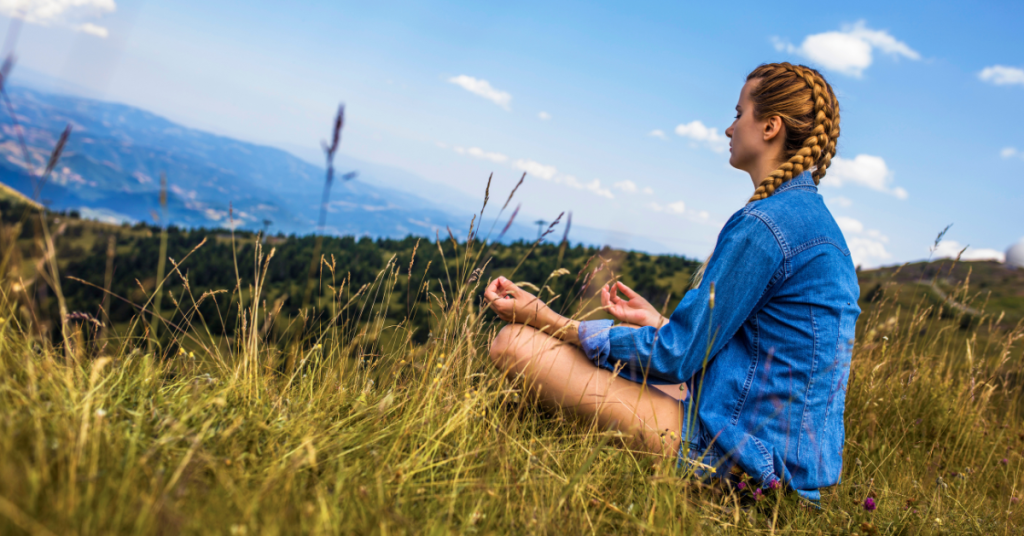
Mindfulness meditation is a powerful relaxation technique that has gained significant popularity in recent years. This practice involves focusing your attention on the present moment, acknowledging and accepting your thoughts and feelings without judgment. By practicing mindfulness, you can reduce stress, improve emotional regulation, and enhance overall well-being. To incorporate mindfulness into your stress management routine, start by setting aside a few minutes each day to sit quietly and focus on your breathing. When your mind wanders, gently bring your attention back to your breath. Over time, you can extend the duration of your practice and apply mindfulness techniques to various aspects of your daily life.
How can yoga and tai chi contribute to stress reduction?
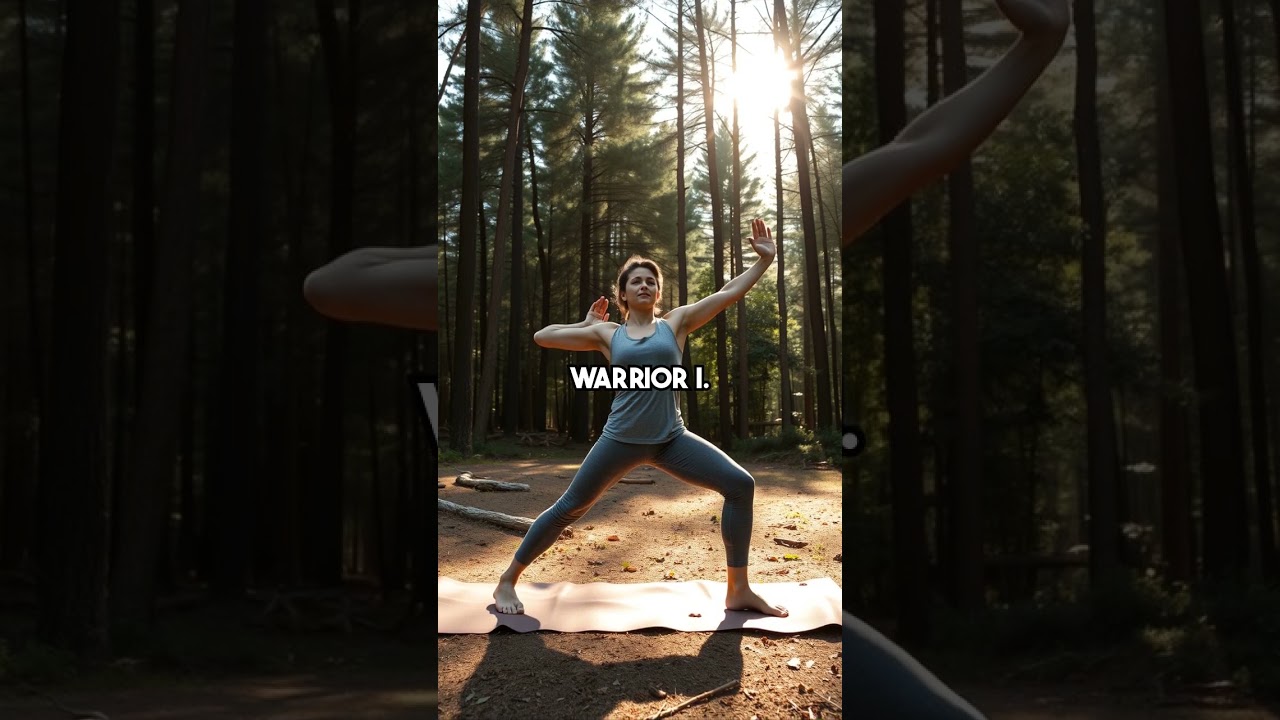
Yoga and tai chi are ancient practices that combine physical movement, breathing exercises, and meditation to promote relaxation and reduce stress. Both of these practices offer numerous benefits for stress management and overall well-being.
What are the benefits of practicing yoga for stress relief?
Yoga is a holistic approach to stress management that encompasses physical postures, breathing techniques, and meditation. Regular yoga practice can help reduce stress by lowering cortisol levels, decreasing blood pressure, and promoting relaxation. The physical aspect of yoga helps release muscle tension and improve flexibility, while the focus on breath and mindfulness cultivates a sense of calm and inner peace. Additionally, yoga has been shown to improve sleep quality, boost mood, and enhance overall mental and physical health. Incorporating yoga into your daily routine, even for just a few minutes, can significantly contribute to stress reduction and improved well-being.
How does tai chi help in managing stress?
Tai chi, often described as “meditation in motion,” is a gentle form of exercise that combines slow, flowing movements with deep breathing and mental focus. This ancient Chinese practice has been shown to be highly effective in reducing stress and promoting relaxation. Tai chi helps lower blood pressure, decrease anxiety and depression, and improve overall physical and mental well-being. The slow, deliberate movements of tai chi promote mindfulness and body awareness, helping practitioners to stay present and focused. Regular practice of tai chi can lead to improved balance, flexibility, and strength, as well as enhanced stress management skills.
Are there specific yoga poses or tai chi movements best for relaxation?
While all yoga poses and tai chi movements can contribute to relaxation, some are particularly effective for stress relief. In yoga, poses such as Child’s Pose, Corpse Pose (Savasana), and Forward Fold are known for their calming effects. These poses help release tension in the body and promote a sense of relaxation. For tai chi, movements like “Parting the Wild Horse’s Mane” and “Cloud Hands” are particularly soothing and can help reduce stress. It’s important to remember that the key to effective relaxation in both yoga and tai chi lies not just in the specific poses or movements, but in the mindful approach and focus on breath that accompanies the practice.
What is guided imagery and how can it help in stress management?
Guided imagery is a powerful relaxation technique that harnesses the power of your imagination to promote relaxation and reduce stress. This technique involves creating vivid, peaceful mental images to evoke a sense of calm and well-being.
How do you practice guided imagery for relaxation?
To practice guided imagery, find a quiet, comfortable place where you won’t be disturbed. Close your eyes and take a few deep breaths to center yourself. Then, imagine a peaceful, serene place – it could be a beach, a forest, or any location that makes you feel calm and relaxed. Engage all your senses in this visualization: imagine the sights, sounds, smells, and textures of your peaceful place. You can either guide yourself through this imagery or use pre-recorded guided imagery sessions. As you practice, allow yourself to fully immerse in the experience of relaxation, letting go of any stress or tension you may be holding.
What are the benefits of using guided imagery for stress relief?
Guided imagery offers numerous benefits for stress management and overall well-being. This relaxation technique can help lower blood pressure, reduce muscle tension, and decrease levels of stress hormones in the body. Regular practice of guided imagery can improve sleep quality, enhance mood, and boost the immune system. Additionally, guided imagery can be an effective tool for pain relief and management of chronic health conditions. By providing a mental escape from stressful situations, guided imagery helps activate the body’s relaxation response, promoting a sense of calm and well-being.
Can guided imagery be combined with other relaxation techniques?
Absolutely! Guided imagery can be effectively combined with other relaxation techniques to enhance its stress-reducing benefits. For example, you can incorporate deep breathing exercises into your guided imagery practice, focusing on your breath as you visualize your peaceful place. Progressive muscle relaxation can also be integrated into guided imagery sessions, helping you release physical tension as you engage in mental relaxation. Some practitioners even combine guided imagery with yoga or tai chi, using visualization techniques to deepen their practice and enhance relaxation. The versatility of guided imagery makes it an excellent complementary technique to other stress management strategies.
How can autogenic training be used as a relaxation technique?
Autogenic training is a powerful relaxation technique that combines self-suggestion and body awareness to promote deep relaxation and reduce stress. This method, developed by German psychiatrist Johannes Schultz, has gained recognition as an effective stress management tool.
What is autogenic training and how does it work?
Autogenic training is a form of relaxation therapy that uses a series of self-statements to induce a state of deep relaxation. The technique is based on the principle that the mind can influence the body’s autonomic nervous system, which controls involuntary functions like heart rate and blood pressure. By repeating specific phrases and focusing on different parts of the body, practitioners can learn to induce a state of physical and mental relaxation. This relaxation response helps counteract the stress response, leading to reduced anxiety, improved sleep, and better overall well-being.
What are the steps involved in autogenic training?
Autogenic training typically involves six standard exercises, each focusing on a different sensation or part of the body. The process usually begins with finding a comfortable position and closing your eyes. Then, you progress through the following steps: 1. Heaviness in the limbs: Repeat phrases like “My arms and legs are heavy and warm.” 2. Warmth in the limbs: Focus on feeling warmth spreading through your arms and legs. 3. Cardiac regulation: Concentrate on your heartbeat, saying “My heartbeat is calm and regular.” 4. Breathing: Focus on your breath, repeating “My breathing is calm and regular.” 5. Abdominal warmth: Direct your attention to your solar plexus, saying “My solar plexus is warm.” 6. Coolness in the forehead: Finally, imagine a cool, soothing sensation on your forehead. Each step is practiced for a few minutes before moving on to the next. With regular practice, you can learn to induce a deep state of relaxation quickly and effectively.
How effective is autogenic training for stress management?
Autogenic training has been shown to be highly effective for stress management and various health problems. Research indicates that regular practice of autogenic training can lead to significant reductions in stress and anxiety levels. It has also been found to be beneficial for managing conditions such as high blood pressure, migraines, and insomnia. The technique’s effectiveness lies in its ability to activate the body’s relaxation response, counteracting the harmful effects of chronic stress. As with any relaxation technique, the benefits of autogenic training increase with regular practice, making it a valuable tool in your stress management arsenal.
What are the best relaxation techniques for managing stress-related health problems?
Stress can manifest in various physical symptoms and health problems. Fortunately, relaxation techniques can be particularly effective in managing these stress-related issues. Let’s explore some specific relaxation strategies for common stress-induced health problems.
How can relaxation techniques help with stress-induced headaches?
Stress-induced headaches are a common complaint for many individuals dealing with chronic stress. Relaxation techniques can be particularly effective in preventing and managing these headaches. Deep breathing exercises can help reduce tension in the neck and shoulder muscles, which often contribute to stress headaches. Progressive muscle relaxation can be especially beneficial, as it helps release tension throughout the body, including the head and neck area. Mindfulness meditation can also help by reducing overall stress levels and improving pain management. Additionally, guided imagery focused on releasing tension in the head and neck can provide relief from stress-induced headaches.
Which relaxation methods are most effective for reducing stress-related insomnia?
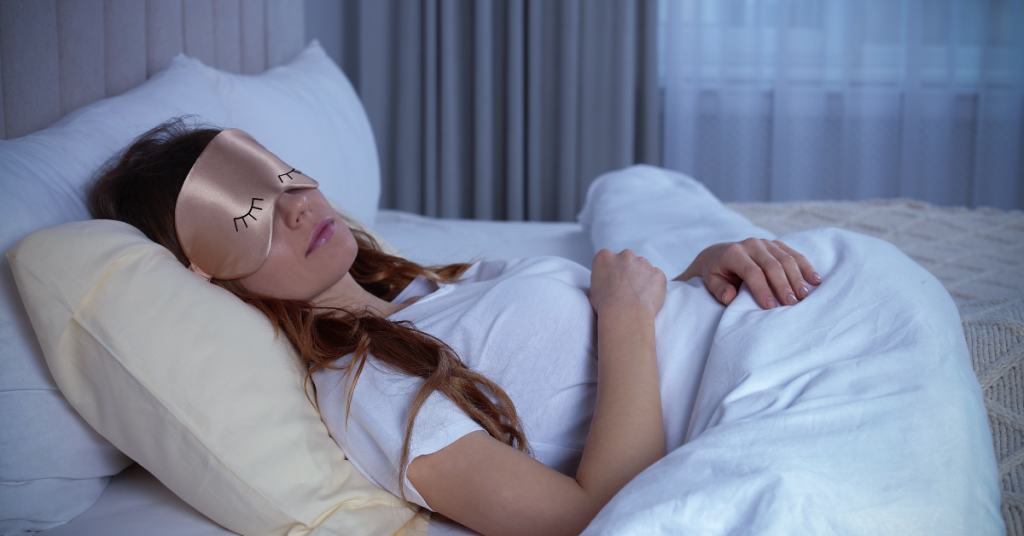
Stress-related insomnia can significantly impact overall well-being and exacerbate stress levels. Several relaxation techniques have proven effective in improving sleep quality and reducing insomnia symptoms. Progressive muscle relaxation is particularly beneficial for insomnia, as it helps release physical tension that may be interfering with sleep. Mindfulness meditation can help quiet racing thoughts and promote a sense of calm conducive to sleep. Deep breathing exercises performed before bedtime can activate the body’s relaxation response, making it easier to fall asleep. Guided imagery focused on peaceful, sleep-promoting scenes can also be effective. For many individuals, a combination of these techniques, practiced regularly as part of a bedtime routine, can significantly improve sleep quality and reduce stress-related insomnia.
Can relaxation techniques help with stress-induced digestive issues?
Stress can have a significant impact on digestive health, leading to issues such as irritable bowel syndrome, acid reflux, and stomach ulcers. Relaxation techniques can play a crucial role in managing these stress-induced digestive problems. Deep breathing exercises can help calm the nervous system and reduce tension in the abdominal area, potentially alleviating symptoms of digestive distress. Mindfulness meditation can help reduce overall stress levels and improve body awareness, which may lead to better management of digestive symptoms. Guided imagery focused on promoting digestive health and healing can be particularly effective. Additionally, gentle yoga poses that focus on the abdominal area can help relieve digestive discomfort while promoting relaxation. By incorporating these relaxation techniques into your daily routine, you may experience significant improvements in stress-related digestive issues.
How can breathing exercises be incorporated into daily life for stress reduction?
Breathing exercises are one of the most accessible and versatile relaxation techniques for stress management. They can be performed virtually anywhere and at any time, making them an ideal tool for incorporating stress reduction into your daily life.
What are some quick breathing exercises for immediate stress relief?
When you need immediate stress relief, try these quick breathing exercises: 1. 4-7-8 Breathing: Inhale for 4 counts, hold for 7 counts, and exhale for 8 counts. 2. Box Breathing: Inhale for 4 counts, hold for 4 counts, exhale for 4 counts, and hold for 4 counts before inhaling again. 3. Belly Breathing: Place one hand on your belly and one on your chest. Inhale deeply through your nose, feeling your belly expand. Exhale slowly through your mouth. These simple techniques can help activate your body’s relaxation response and provide quick stress relief in various situations.
How often should breathing exercises be practiced for optimal stress management?
For optimal stress management, it’s beneficial to incorporate breathing exercises into your daily routine. Aim to practice for at least 5-10 minutes each day, ideally at a consistent time. This could be first thing in the morning, during your lunch break, or before bed. However, the beauty of breathing exercises is that they can be done anytime you feel stressed or anxious. Many people find it helpful to take short “breathing breaks” throughout the day, especially during stressful situations. By making breathing exercises a regular part of your routine, you’ll be better equipped to manage stress and maintain a sense of calm throughout your day.
Can breathing exercises be combined with other relaxation techniques?
Absolutely! Breathing exercises can be effectively combined with various other relaxation techniques to enhance their stress-reducing benefits. For instance, deep breathing is often incorporated into yoga and tai chi practices, helping to deepen the relaxation experience. Mindfulness meditation typically begins with a focus on the breath, making it a natural complement to breathing exercises. Progressive muscle relaxation can be enhanced by incorporating deep breathing between tensing and relaxing each muscle group. Even guided imagery often includes a focus on breath to help deepen the relaxation state. By combining breathing exercises with other relaxation techniques, you can create a comprehensive stress management strategy tailored to your needs and preferences.