

In our fast-paced world, quality sleep has become increasingly elusive for many, contributing to a growing sleep debt. Yet, it’s a crucial component of our overall health and well-being. This comprehensive guide offers 20 essential tips for better sleep, drawing from expert advice and the latest sleep research. Whether you’re struggling with insomnia, sleep apnea, or simply looking to improve your sleep quality, these strategies will help you unlock the secrets to a more restful night.
What are the key principles of sleep hygiene?
Sleep hygiene refers to the habits and practices that are conducive to sleeping well on a regular basis, including various sleep tips to help you go to sleep and wake refreshed. Good sleep hygiene is essential for maintaining healthy sleep patterns and improving overall sleep quality, particularly by optimizing your sleep schedule. By following these key principles, you can set the foundation for better sleep and wake cycles, ultimately leading to the natural sleep you need for restorative rest.
How does maintaining a consistent sleep schedule improve sleep quality?
One of the most crucial aspects of sleep hygiene is maintaining a consistent sleep schedule. Going to bed and waking up at the same time every day, even on weekends, helps regulate your body’s internal clock, or circadian rhythm, which is essential for maintaining a healthy sleep routine. This consistency reinforces your sleep-wake cycle, making it easier to fall asleep and wake up naturally. The National Sleep Foundation recommends that adults aim for 7-9 hours of sleep per night, which is the recommended amount of sleep for a healthy adult. By sticking to a regular sleep schedule, you’re more likely to get enough quality sleep and avoid the negative effects of sleep deprivation, which can lead to trouble sleeping.
Why is creating a relaxing bedtime routine important?
Establishing a calming bedtime routine is another vital component of good sleep hygiene. This routine signals to your body that it’s time to wind down and prepare for sleep. Activities such as reading a book, taking a warm bath, practicing gentle yoga, or listening to soothing music can help you relax and transition from the day’s stresses to a state of restfulness. It’s important to avoid stimulating activities or stressful conversations close to bedtime, as these can disrupt sleep and make it harder to fall asleep. By consistently following a relaxing routine, you’re more likely to improve your sleep quality and fall asleep faster.
What role does the sleep environment play in promoting better sleep?
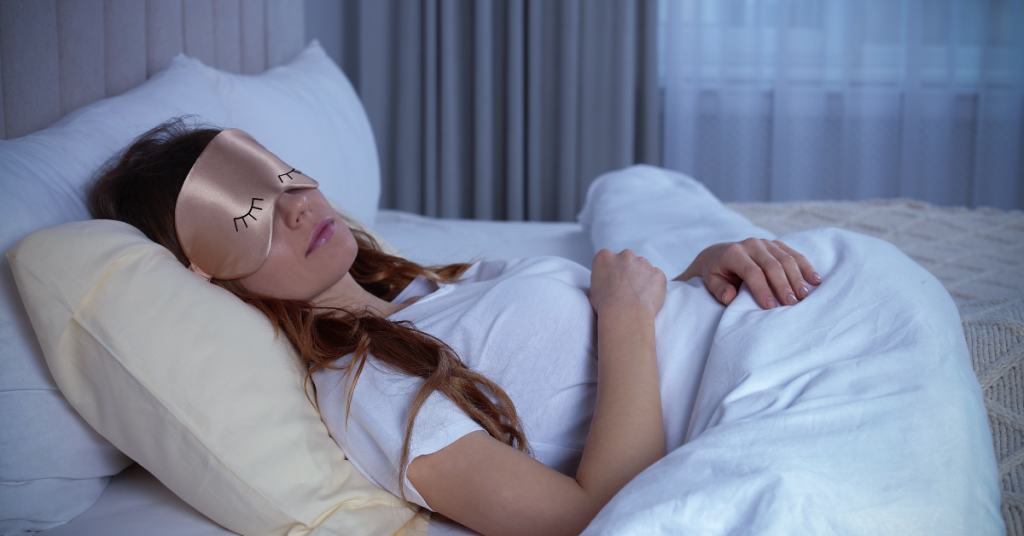
Your sleep environment plays a crucial role in promoting better sleep. The ideal sleep environment should be dark, quiet, and cool. Darkness is essential because it stimulates the production of melatonin, the hormone that regulates sleep, which is crucial for long-term sleep health. Using blackout curtains or an eye mask can help create a dark environment conducive to the sleep hormone that promotes sleep. Reducing noise through earplugs or white noise machines can minimize disturbances. The American Academy of Sleep Medicine recommends keeping your bedroom temperature between 60-67°F (15-19°C) for optimal sleep. Additionally, investing in a comfortable mattress, pillows, and bedding can significantly improve your sleep quality. By optimizing your sleep environment, you’re creating the perfect conditions for uninterrupted and refreshing sleep.
How can I improve my sleep quality naturally?
Improving sleep quality naturally involves making lifestyle changes and adopting healthy habits that promote better sleep. These methods are often preferred over sleep aids or medications, as they address the root causes of poor sleep and have long-lasting benefits. By incorporating these natural strategies, you can significantly enhance your sleep quality and overall well-being.
What dietary changes can help me sleep better at night?
Your diet plays a significant role in your sleep quality. Avoiding large meals close to bedtime can prevent discomfort and indigestion that might disrupt sleep. It’s also wise to limit caffeine intake, especially in the afternoon and evening, as its stimulating effects can last for several hours. While alcohol might make you feel drowsy initially, it can lead to fragmented and poor-quality sleep later in the night. Instead, consider incorporating sleep-promoting foods into your diet as simple tips to enhance your overall sleep quality. Foods rich in tryptophan (such as turkey, eggs, and cheese), magnesium (like nuts and seeds), and complex carbohydrates can help promote sleep. Some people find that a light snack before bed, such as a banana with almond butter, can help stabilize blood sugar levels and promote better sleep.
How does exercise impact sleep quality?
Regular exercise is one of the most effective ways to improve sleep quality naturally. Physical activity can help you fall asleep faster and enjoy deeper, more restorative sleep. However, timing is crucial. Vigorous exercise too close to bedtime can be stimulating and make it harder to fall asleep. The National Sleep Foundation recommends finishing moderate to vigorous workouts at least three hours before bedtime. On the other hand, gentle exercises like yoga or stretching can be beneficial when done closer to bedtime, as they are among the sleep tips that help relax the body and mind. Consistent exercise also helps regulate your circadian rhythm and can alleviate symptoms of sleep disorders like insomnia and sleep apnea, contributing to better sleep hormone balance.
What relaxation techniques can I use to fall asleep faster?
Relaxation techniques can be powerful tools to help you fall asleep faster and improve your overall sleep quality, ensuring you have uninterrupted and refreshing sleep. Deep breathing exercises, such as the 4-7-8 technique (inhale for 4 counts, hold for 7, exhale for 8), can help calm your nervous system and prepare your body for sleep. Progressive muscle relaxation, where you systematically tense and relax different muscle groups, can release physical tension and promote relaxation. Mindfulness meditation and guided imagery are also effective techniques that can help quiet a busy mind and reduce stress, making it easier to fall asleep. Many people find that using these relaxation techniques as part of their bedtime routine can significantly improve their ability to fall asleep and enhance their overall sleep quality.
What are common sleep disorders and how can they be addressed?
Sleep disorders are conditions that affect the ability to sleep well on a regular basis. They can have a significant impact on quality of life, productivity, and overall health. Understanding these disorders and their treatments is crucial for anyone looking to improve their sleep quality. While some sleep disorders may require professional intervention, many can be managed effectively with lifestyle changes and proper sleep hygiene.
What are the symptoms and treatments for insomnia?
Insomnia is one of the most common sleep disorders, characterized by difficulty falling asleep, staying asleep, or both. Symptoms of insomnia include lying awake for long periods before falling asleep, waking up frequently during the night, and feeling unrefreshed upon waking. Chronic insomnia can lead to daytime fatigue, mood disturbances, and decreased performance in work or daily activities. Treatment for insomnia often begins with improving sleep hygiene and addressing any underlying health conditions. Cognitive Behavioral Therapy for Insomnia (CBT-I) is considered the gold standard treatment, helping individuals identify and change thoughts and behaviors that interfere with sleep and lead to long-term sleep deprivation. In some cases, sleep medicine may be prescribed, but it’s generally recommended for short-term use under medical supervision to address insufficient sleep.
How does sleep apnea affect sleep quality and overall health?
Sleep apnea is a serious sleep disorder where breathing repeatedly stops and starts during sleep. The most common type, obstructive sleep apnea, occurs when the throat muscles intermittently relax and block the airway. Symptoms include loud snoring, gasping for air during sleep, morning headaches, and excessive daytime sleepiness. Sleep apnea can significantly impact sleep quality and overall health, increasing the risk of hypertension, heart disease, and stroke. Diagnosis typically involves a sleep study, either at home or in a sleep lab, to assess your nighttime sleep patterns. Treatment options include lifestyle changes (such as weight loss and avoiding alcohol), using a continuous positive airway pressure (CPAP) machine, or in some cases, surgery. Addressing sleep apnea is crucial for improving both sleep quality and long-term health outcomes.
What are effective strategies for managing restless leg syndrome?
Restless Leg Syndrome (RLS) is a neurological disorder characterized by an irresistible urge to move the legs, often accompanied by uncomfortable sensations. These symptoms typically occur in the evening or at night when sitting or lying down, making it difficult to get to sleep or stay asleep due to a lack of sleep. Managing RLS often involves a combination of lifestyle changes and medical treatments. Regular exercise, particularly in the morning or afternoon, can help alleviate symptoms. Avoiding caffeine, alcohol, and nicotine, especially in the evening, may also provide relief and improve the quality of sleep you need. Some people find that warm baths, leg massages, or using a heating pad can help soothe the uncomfortable sensations. In more severe cases, medications prescribed by a sleep specialist or neurologist may be necessary to manage symptoms and improve sleep quality.
How can I create an ideal sleep environment?
Creating an ideal sleep environment is crucial for promoting quality sleep. Your bedroom should be a sanctuary dedicated to rest and relaxation. By optimizing various elements of your sleep environment, you can significantly improve your sleep quality and overall sleep experience.
What is the optimal bedroom temperature for sleep?
The temperature of your bedroom plays a significant role in sleep quality. According to the American Academy of Sleep Medicine, the ideal bedroom temperature for sleep is between 60-67°F (15-19°C). This cool temperature range helps facilitate the natural drop in core body temperature that occurs as part of the sleep process. A room that’s too warm can lead to restlessness and frequent awakenings, while a room that’s too cold can make it difficult to fall asleep. Using breathable bedding materials and adjusting your thermostat or using a fan can help maintain this optimal temperature range throughout the night, promoting deeper and more restorative sleep.
How does light exposure affect sleep and wake cycles?
Light exposure has a profound impact on our sleep and wake cycles, influencing the sleep hormone levels in our body. Our bodies are naturally attuned to respond to light as a cue for wakefulness and darkness as a signal for sleep. Exposure to bright light, especially blue light emitted by electronic devices, can suppress the production of melatonin, the hormone that regulates sleep, making it harder to get to sleep. To promote better sleep, it’s important to manage light exposure throughout the day and night, which can help improve your sleep each night. During the day, exposure to natural sunlight helps reinforce your circadian rhythm. As evening approaches, dimming lights and avoiding screens close to bedtime can help signal to your body that it’s time to sleep. In your bedroom, use blackout curtains or an eye mask to create a dark environment that supports melatonin production and promotes deeper sleep each night.
Why should I reserve my bed for sleep and sex only?
The principle of reserving your bed for sleep and sex only is a key component of good sleep hygiene. This practice helps strengthen the mental association between your bed and sleep, making it easier to go to sleep and wake up refreshed when you lie down. When you use your bed for other activities like working, watching TV, or scrolling through your phone, you may inadvertently train your brain to associate your bed with wakefulness and mental activity. This can make it more difficult to relax and fall asleep when it’s time to rest. By limiting bed activities to sleep and sex, you’re reinforcing the bed’s primary functions and creating a stronger sleep-inducing environment. If you find yourself unable to sleep after about 20 minutes, sleep experts recommend getting up and doing a calm activity elsewhere until you feel sleepy, then returning to bed.
What lifestyle changes can help me get better sleep?
Adopting certain lifestyle changes can significantly improve your sleep quality and help you establish healthy sleep habits, ensuring you get enough sleep. These changes often involve adjusting daily routines, managing stress, and creating an environment conducive to good sleep and a consistent sleep routine. By implementing these lifestyle modifications, you can address many common sleep problems and enhance your overall sleep experience.
How does stress management contribute to improved sleep?
Stress is one of the most common factors that can disrupt sleep. When we’re stressed, our bodies produce stress hormones like cortisol, which can interfere with our natural sleep-wake cycle. Effective stress management is therefore crucial for improving sleep quality. Techniques such as mindfulness meditation, deep breathing exercises, and progressive muscle relaxation can help reduce stress levels and prepare your mind and body for sleep, which are valuable tips to sleep better. Regular exercise is also an excellent stress-buster, but remember to finish vigorous workouts at least a few hours before bedtime. Additionally, practicing good time management during the day can help reduce work-related stress that might keep you up at night. By incorporating stress management techniques into your daily routine, you can create a more relaxed state conducive to falling asleep and staying asleep throughout the night.
Why is it important to limit screen time before bed?
Limiting screen time before bed is a crucial aspect of good sleep hygiene and one of the top 20 tips for improving sleep time and quality. Electronic devices such as smartphones, tablets, and computers emit blue light, which can suppress the production of melatonin, the hormone that regulates sleep. This suppression can disrupt your circadian rhythm and make it harder to fall asleep. Moreover, the content we consume on these devices – whether it’s work emails, social media, or exciting videos – can be mentally stimulating, making it difficult for our minds to wind down for sleep. The National Sleep Foundation recommends avoiding screens for at least an hour before bedtime. Instead, engage in relaxing activities like reading a physical book, listening to calm music, or practicing gentle stretches. If you must use a device close to bedtime, consider using blue light filtering apps or glasses to minimize the impact on your sleep.
How can keeping a sleep diary help identify sleep problems?
Keeping a sleep diary can be an invaluable tool in identifying sleep problems and improving sleep quality. A sleep diary typically includes information about your sleep habits, such as when you go to bed, how long it takes you to fall asleep, how many times you wake up during the night, and how you feel upon waking. It may also include details about your daily activities, such as exercise, caffeine intake, and stress levels. By consistently tracking this information over time, you can start to see patterns emerge that might help you get enough sleep. For example, you might notice that you have trouble falling asleep on days when you consume caffeine in the afternoon, or that you sleep better on nights following an evening workout. This information can help you make informed decisions about lifestyle changes that could improve your sleep. Additionally, if you decide to consult a sleep specialist, a detailed sleep diary can provide valuable insights to aid in diagnosis and treatment of any sleep disorders.
When should I consider seeking professional help for sleep issues?
While many sleep problems can be addressed through lifestyle changes and improved sleep hygiene, there are instances where professional help may be necessary to address sleep debt. Chronic sleep issues can have serious implications for your health and quality of life, making it important to recognize when it’s time to consult a healthcare provider or sleep specialist about your insufficient sleep.
What are signs that my sleep problems require medical attention?
There are several signs that your sleep problems may require medical attention. If you consistently have trouble falling asleep, staying asleep, or waking up feeling unrefreshed despite practicing good sleep hygiene, it may be time to get out of bed and seek help. Other signs include loud snoring accompanied by gasping or choking sounds, which could indicate sleep apnea, or persistent daytime fatigue that interferes with your daily activities. If you experience uncomfortable sensations in your legs at night that are relieved by movement, you may have restless leg syndrome. Chronic insomnia, defined as difficulty sleeping at least three nights a week for three months or more, is another condition that warrants professional attention. Additionally, if sleep problems are affecting your mood, causing depression or anxiety, or if you find yourself relying on sleep aids or alcohol to fall asleep, these are clear indications that you should consult a healthcare provider.
How can a sleep specialist help diagnose and treat sleep disorders?
A sleep specialist, typically trained in sleep medicine, can provide expert diagnosis and treatment for various sleep disorders. The process often begins with a comprehensive sleep history, where the specialist will ask detailed questions about your sleep patterns, lifestyle, and any symptoms you’re experiencing related to sleep a problem. They may also request that you keep a sleep diary for a period of time to identify any patterns related to your trouble sleeping. In many cases, a sleep study (polysomnography) may be recommended. This can be conducted in a sleep lab or, in some cases, at home. During a sleep study, various bodily functions are monitored throughout the night, including brain waves, eye movements, heart rate, and oxygen levels. This data can help diagnose conditions like sleep apnea, periodic limb movement disorder, or narcolepsy. Based on the diagnosis, the sleep specialist can recommend appropriate treatments, which may include lifestyle changes, cognitive behavioral therapy for insomnia (CBT-I), use of a CPAP machine for sleep apnea, or in some cases, medication. The goal is to address the underlying causes of your sleep issues and improve your overall sleep quality.
What are the benefits of cognitive behavioral therapy for insomnia?
Cognitive Behavioral Therapy for Insomnia (CBT-I) is considered the gold standard treatment for chronic insomnia. This form of therapy addresses the thoughts and behaviors that interfere with sleep. Unlike sleep medications, which often provide only short-term relief, CBT-I can lead to long-lasting improvements in sleep quality. The therapy typically involves several components. Sleep restriction therapy temporarily limits the time spent in bed to match the actual amount of sleep you’re getting, which can increase sleep efficiency over time. Stimulus control therapy aims to strengthen the association between the bed and sleep by limiting non-sleep activities in the bedroom, which can help if you’re having trouble sleeping. Cognitive therapy helps identify and change beliefs and attitudes about sleep that may be contributing to insomnia. Relaxation training and sleep hygiene education are also key components. CBT-I has been shown to be effective in improving sleep onset latency, wake time after sleep onset, and overall sleep quality, making it one of the essential tips to sleep better. It can also help reduce reliance on sleep medications. While CBT-I typically involves working with a trained therapist, there are also online and app-based programs available that have shown promising results in helping you keep a sleep journal.